If you caught Davison Home Services on ABC12’s Good Morning Mid Michigan, you already know summer is when air conditioners work hardest — and when small maintenance issues turn into expensive breakdowns. Watch the segment here for a quick look at what our team covered on air.
Below, we’re expanding on those tips so you have a full game plan for keeping your system running smoothly through the hottest months.
Why AC Maintenance Matters More Than You Think
Air conditioners don’t usually fail all at once. Most breakdowns are the result of small issues that build up over weeks or months — a dirty filter here, a clogged drain line there — until the system finally can’t keep up. Regular maintenance is what catches those issues early, before they turn into a no-cool emergency on the hottest day of the year.
Common Reasons AC Systems Stop Working
Understanding what typically causes AC failures makes it easier to prevent them. The most frequent culprits include:
- Dirty or clogged air filters — Restrict airflow, force the system to work harder, and can lead to a frozen evaporator coil.
- Low refrigerant levels — Usually caused by a slow leak, this reduces cooling capacity and can damage the compressor over time.
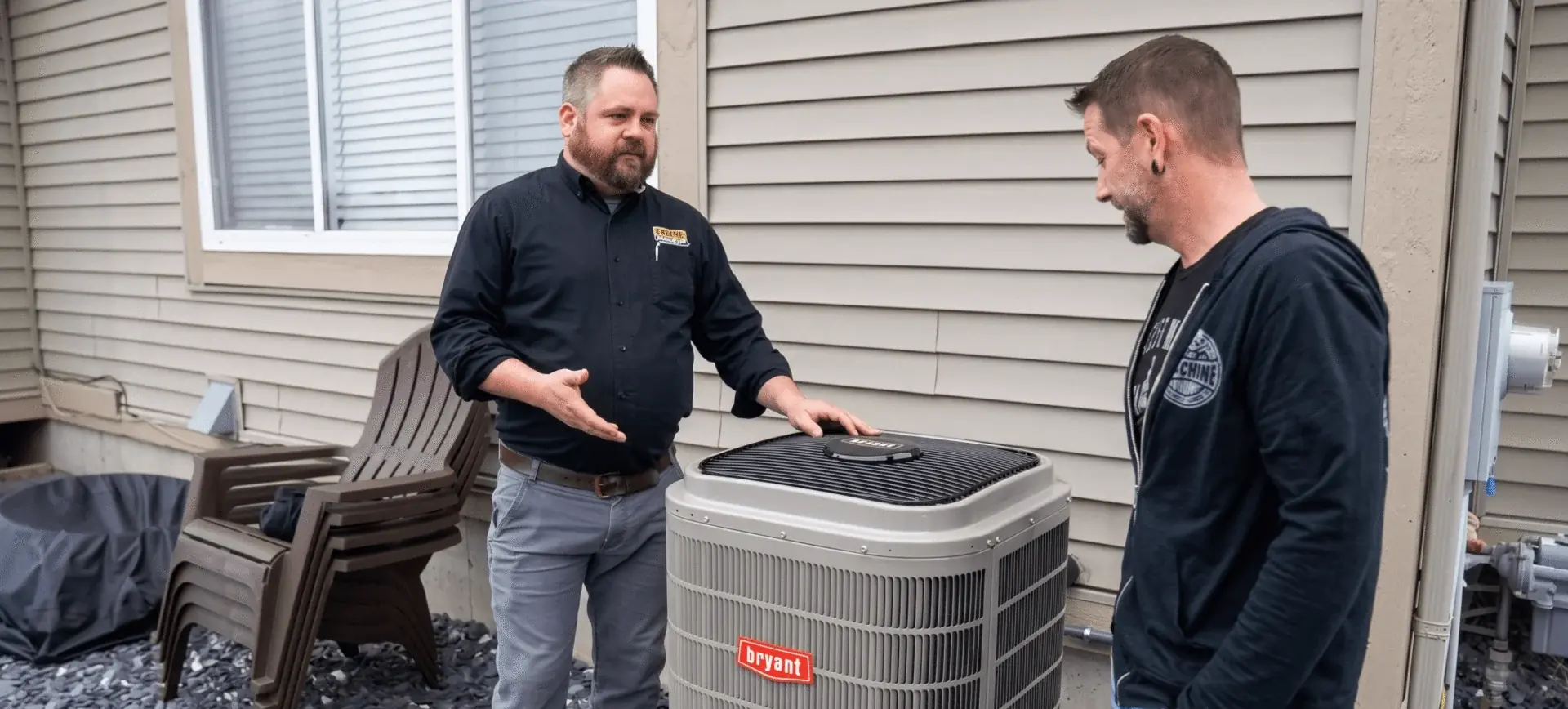
- Dirty condenser coils — When the outdoor unit is coated in dirt, pollen, or grass clippings, it can’t release heat efficiently.
- Clogged condensate drain lines — A blocked drain can cause water damage and trip the system’s safety switch, shutting it down entirely.
- Electrical or capacitor issues — Worn capacitors and loose electrical connections are common reasons a system won’t start at all.
- Thermostat problems — Sometimes the “AC issue” is really a miscalibrated or malfunctioning thermostat.
Homeowner Maintenance Tips You Can Do Yourself
You don’t need to be an HVAC technician to keep your system in good shape between professional tune-ups. Here’s what homeowners can do on their own:
Change your air filter regularly. This is the single most impactful thing you can do for your system. Check it monthly and replace it every 1–3 months depending on filter type, household size, and whether you have pets. A dirty filter is one of the most preventable causes of AC strain and breakdowns.
Keep the outdoor unit clear. Trim back plants, grass, and shrubs at least two feet from the condenser unit, and clear away leaves, debris, and grass clippings that collect on top of or inside the unit.
Check and straighten the condenser fins. Bent fins restrict airflow. A soft brush attachment on a vacuum can help clean them gently without causing damage.
Keep vents and registers unobstructed. Furniture, rugs, and curtains blocking supply vents force your system to work harder to cool the same space.
Test your thermostat. Make sure it’s reading temperatures accurately and consider a programmable or smart thermostat if you don’t already have one — it can reduce strain on your system and lower energy bills.
Listen and watch for warning signs. Unusual noises, weak airflow, warm air blowing from vents, or the system cycling on and off frequently are all signs something needs attention before it becomes a full breakdown.
When to Call a Professional
Homeowner maintenance goes a long way, but some issues need a trained technician — refrigerant levels, electrical components, and coil cleaning are not DIY territory. A good rule of thumb: if you’ve checked the basics (filter, thermostat, breaker) and the system still isn’t performing, it’s time to call for service rather than wait it out.
An annual professional tune-up is one of the best investments you can make in your system’s lifespan. A trained technician can catch small issues — like a slow refrigerant leak or a weakening capacitor — long before they cause a breakdown, and keep your system running at peak efficiency all season.
Being Proactive Pays Off
The homeowners who avoid emergency AC repairs are almost always the ones who stay ahead of maintenance rather than waiting for a problem to show up. A few minutes a month checking filters and clearing debris, paired with an annual tune-up, is a small investment that protects your comfort and your budget all summer long.
If it’s been a while since your last tune-up, or if you’re noticing any of the warning signs above, our team is ready to help keep your system running the way it should.